
MK Counseling — Mental Health Counseling in Sioux Falls, SD
Like the lotus, we too have the ability to rise from the mud, bloom out of the darkness, and radiate into the world.
A practice built on empathy, integrity, and evidence-based care.

Personalized therapeutic interventions
Our mission is to empower individuals to overcome life's challenges through personalized and effective therapeutic interventions. We understand that each journey is unique, and our dedicated team of licensed professionals is committed to supporting you with tailored counseling services that address your specific needs and goals.
Holistic, evidence-based, compassionate
We integrate evidence-based practices with a compassionate, client-centered focus. Our therapy sessions are designed to encourage self-reflection, resilience, and positive transformation — building a foundation for sustained mental health and happiness.
Empathy, integrity, excellence, growth
Empathy at the heart of our practice, integrity in every interaction, professional excellence in every modality, and continual growth in our craft so we can offer you the most effective and current care.
Our Care Team
11 Providers. One quiet conviction: you can heal.
Hover or tap a portrait to see specialties.
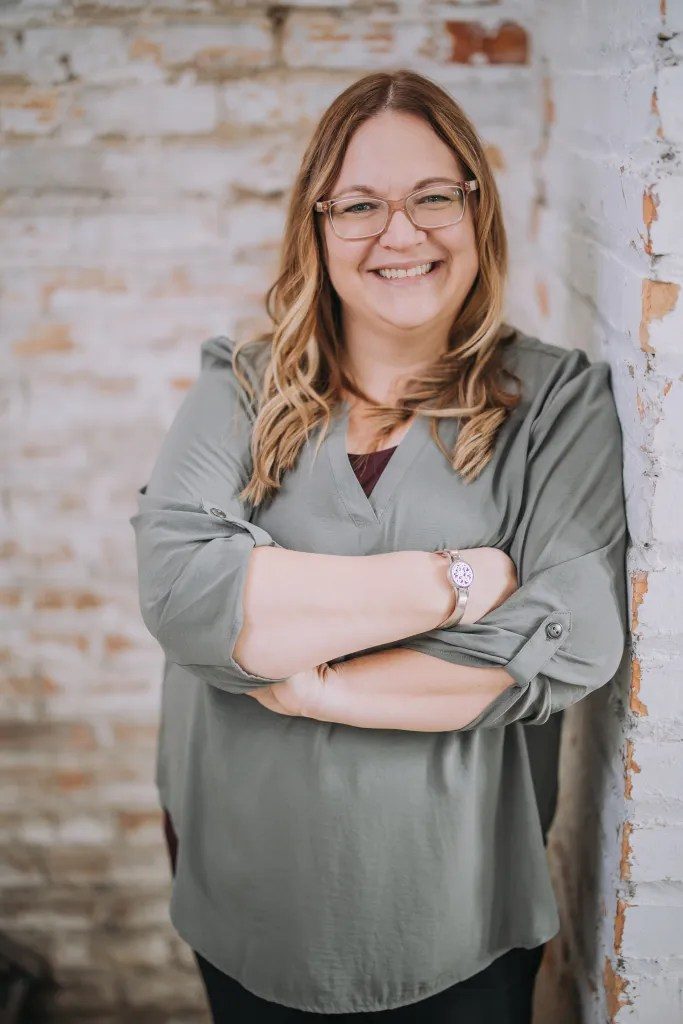
Jennifer Albrecht
Depression and Anxiety
Life transitions/changes
Addiction
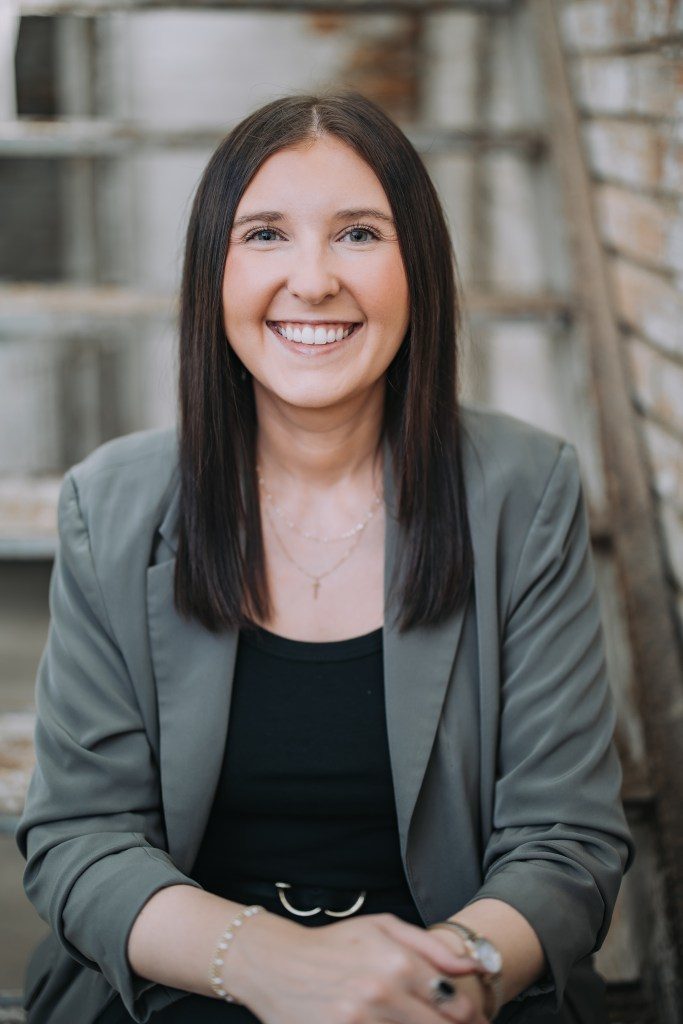
Lindsey Claeys
Anxiety & worry
Grief & loss
Therapy for Children (ages 3-12)

Megan Engdahl
Women’s Health
Self-esteem
Anxiety
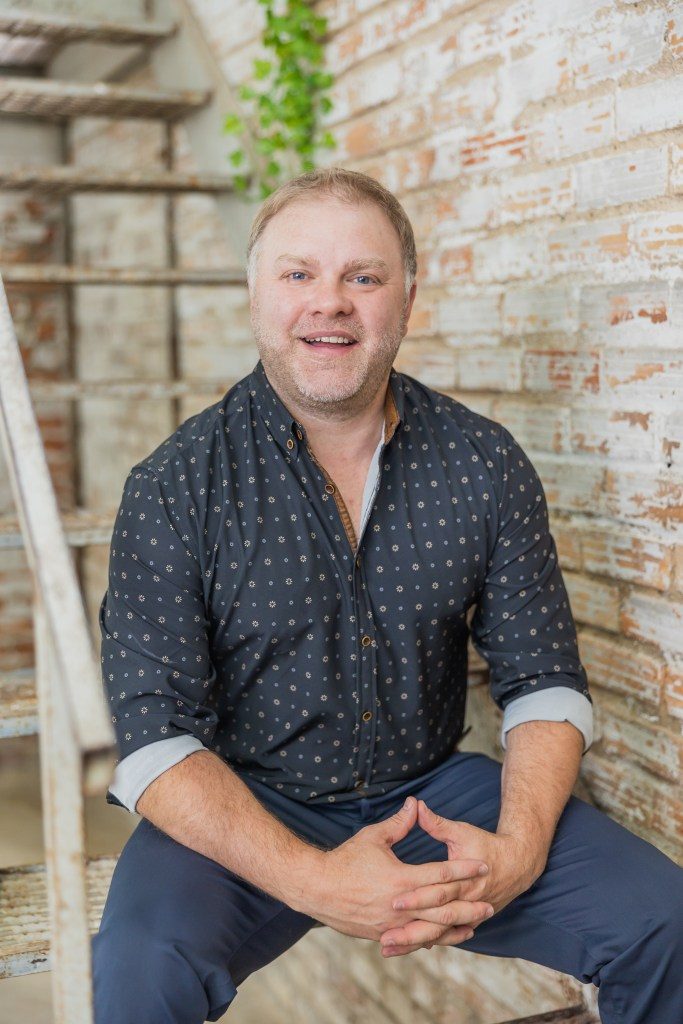
Mike Falconer
Mood Disorders
Personality Disorders
Sports Performance/Motivation
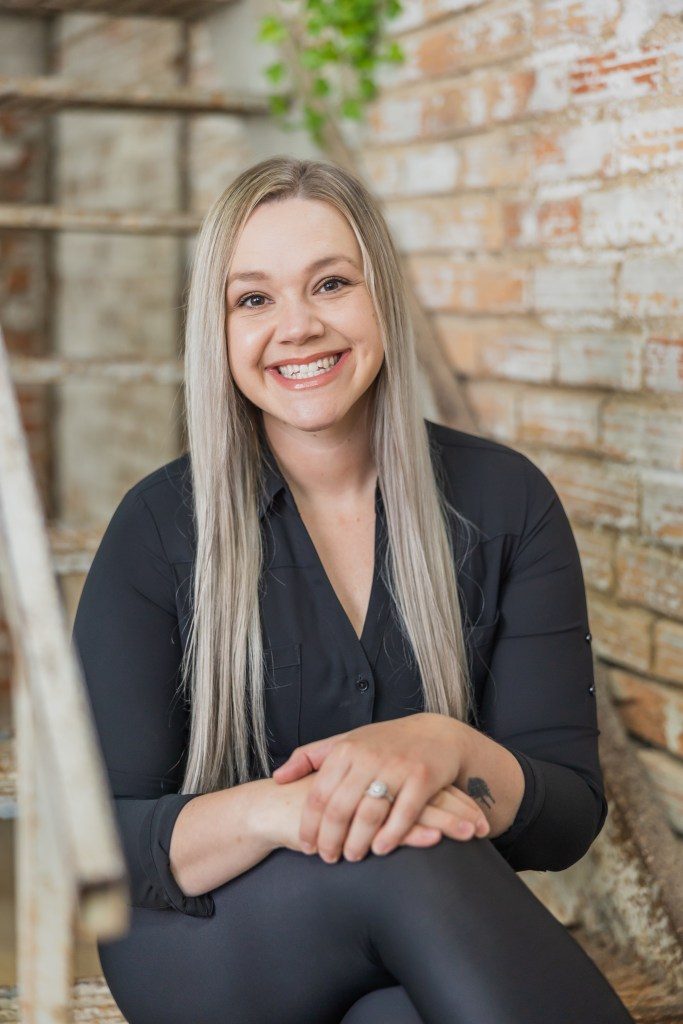
Kasandra Hall
Anxiety
Eating Disorders
ADHD
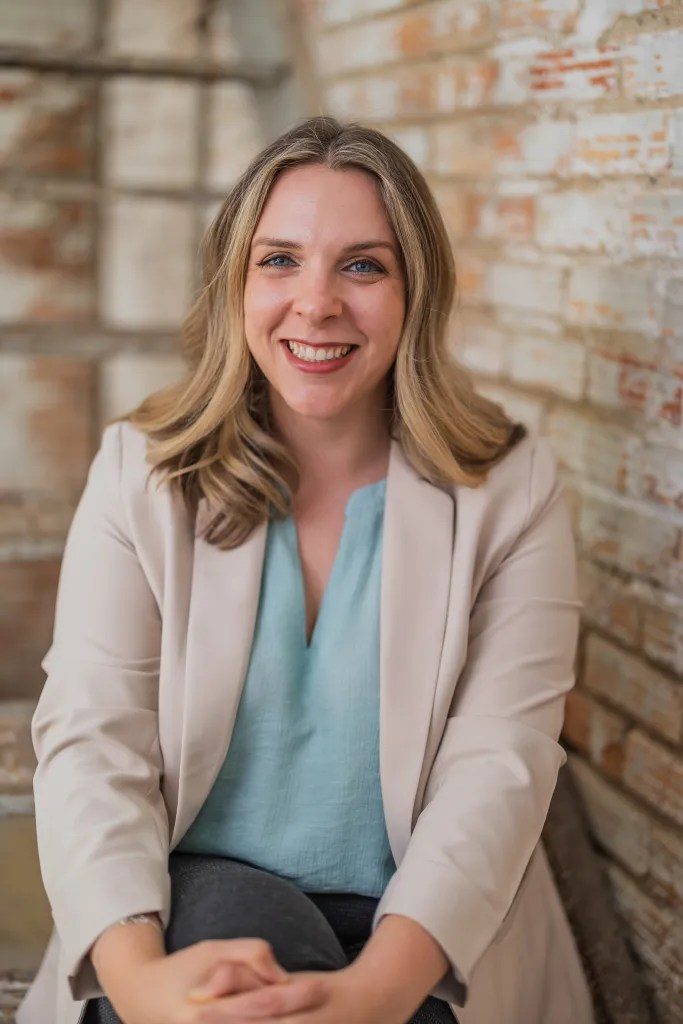
Susan Harder
Addiction
Art Therapy
Codependency/Setting Boundaries
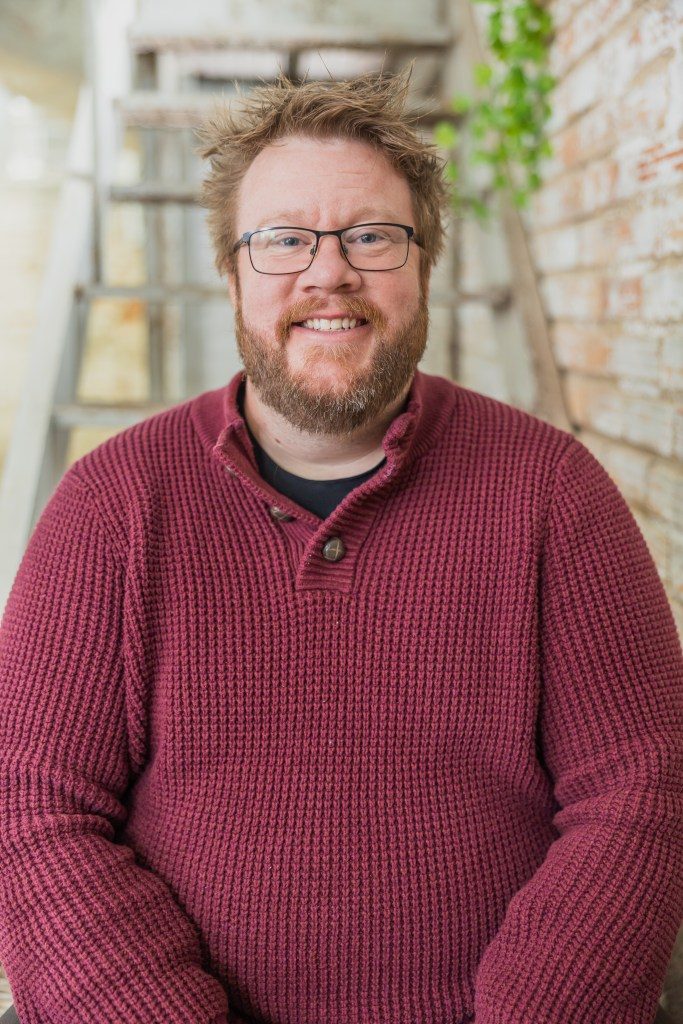
Chris Pudwill
Dialectical Behavior Therapy
Borderline Personality Disorder
Couples Therapy
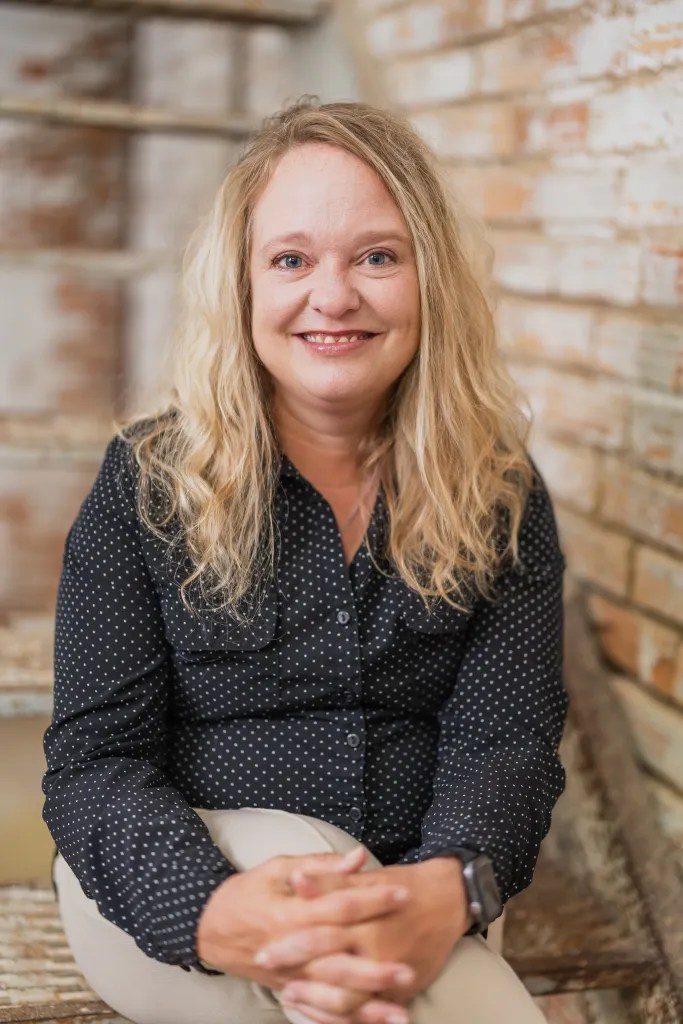
Hiedi Roberts
Depression and Anxiety
Relationships
Self-esteem/Confidence-building
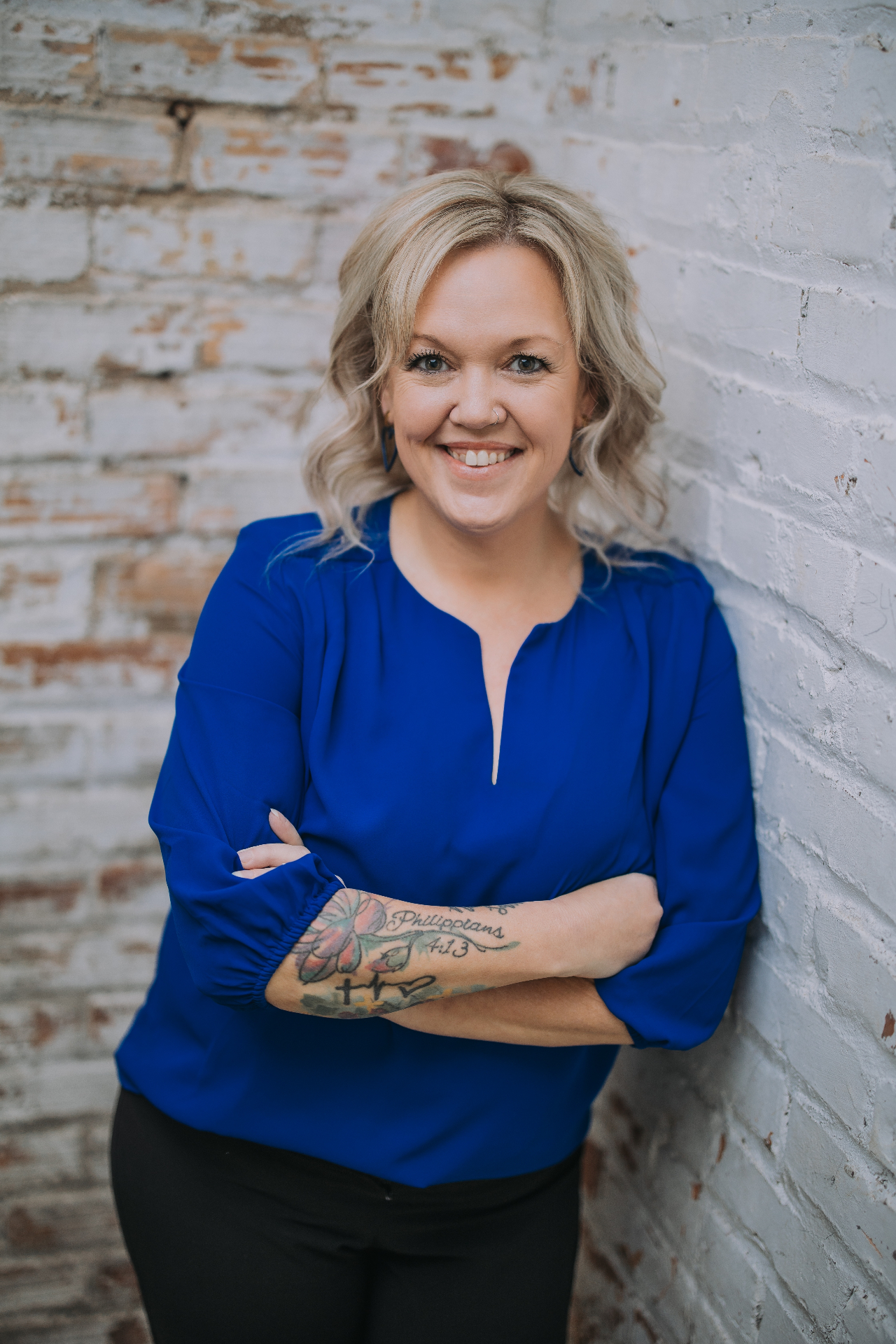
Melissa Roby
Addiction
Personality Disorders
Codependency
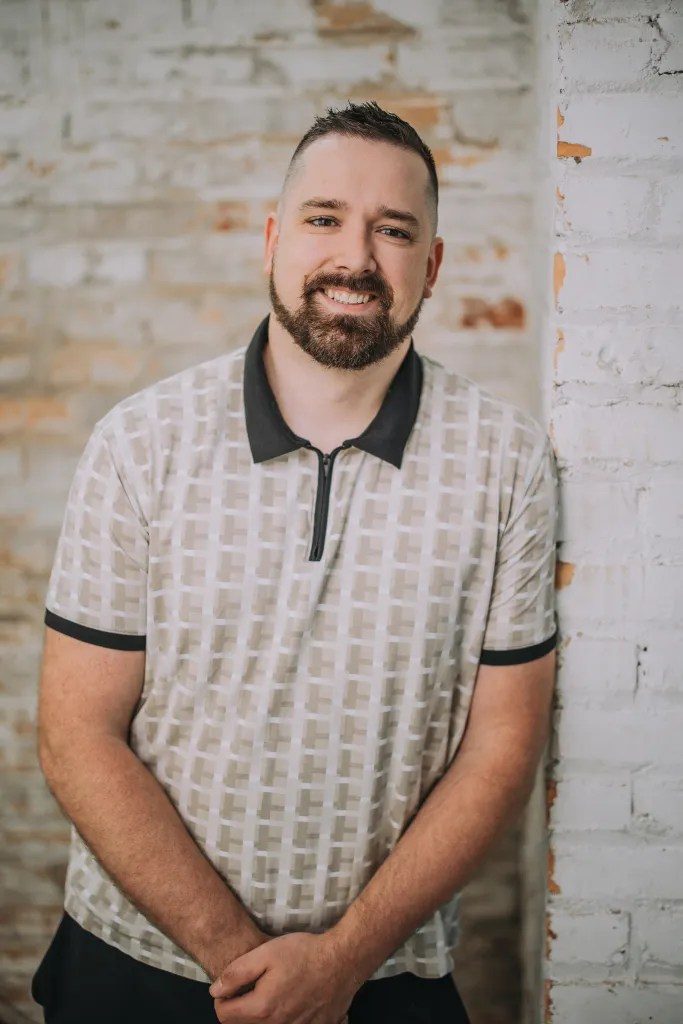
Dylan Strand
Grief/Loss
Addiction
Anxiety/Depression
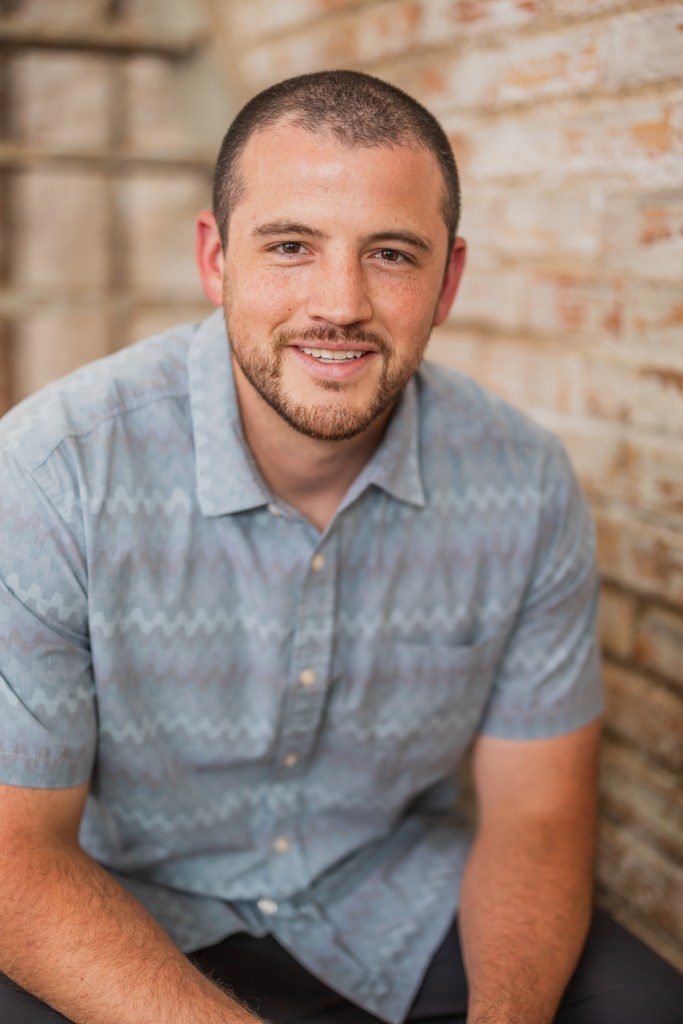
Joe Welch
Adult Depression
OCD
Adult Anxiety
What We Offer
Care that meets you where you are.
We combine multiple therapeutic modalities to address immediate concerns and build a foundation for lasting mental health.
Explore ServicesIndividual Counseling
One-on-one therapy tailored to your life and goals.
Couples & Family Therapy
Repair and deepen the relationships that matter most.
Roots in Recovery
Group support for addiction recovery and long-term sobriety.
Brainspotting
Body-based therapy that accesses unprocessed trauma.
Dialectical Behavior Therapy
Skills for emotion regulation and distress tolerance.
Postpartum Support
Care for the often-overlooked perinatal mental health journey.
Resources
From the practice.



Reach out when you're ready.
We'll meet you with the same compassion we hold for every client. Call, email, or send a message — we'll respond within one business day.